
Cooking often starts with a simple idea. Sometimes it comes from family tradition. Other times it grows from a random kitchen experiment. Writing those moments down in a Recipe Journal helps turn small ideas into lasting memories. Instead of guessing each time, you look back and learn from past meals.
A Recipe Journal is more than a notebook filled with ingredients. It becomes a personal record of meals that worked well and even those that did not. Many home cooks forget what they changed in a dish. When that happens, the taste can never be repeated. A journal keeps those details safe.
Also read: Ed Gein Home
Many people rely on phones or scattered notes. A Recipe Journal keeps everything in one place so recipes, cooking notes, and meal ideas stay organized. Some cooks also add thoughts about taste, texture, or timing. Over time, a recipe grows into a guide that improves cooking skills.
For families, the value becomes even greater. Parents often pass favorite meals to their children through a Recipe Journal now. Written recipes carry stories, memories, and traditions that last longer than spoken instructions. Even beginners benefit from starting a recipe early. It helps track small progress in the kitchen and builds confidence step by step.
Getting Started With Your First Recipe Journal
Starting a Recipe Journal is simple. You do not need expensive tools or fancy notebooks. Any notebook or digital document can become a useful journal if you use it often. The first step is deciding what information to record. That basic structure makes recipes easy to follow later.
After writing the main instructions, many cooks leave space for notes in the journal. This section is important. It lets you record small changes such as extra spices, cooking time adjustments, or ingredient swaps. Most people begin their Recipe Journal with the recipe name, ingredients, and cooking steps.
You can also track the result of each dish. A Recipe Journal might include short comments about flavor, portion size, or whether the meal should be cooked again.
Many cooks like to include helpful details such as:
- Preparation time
- Cooking temperature
- Serving size
- Difficulty level
- Family rating
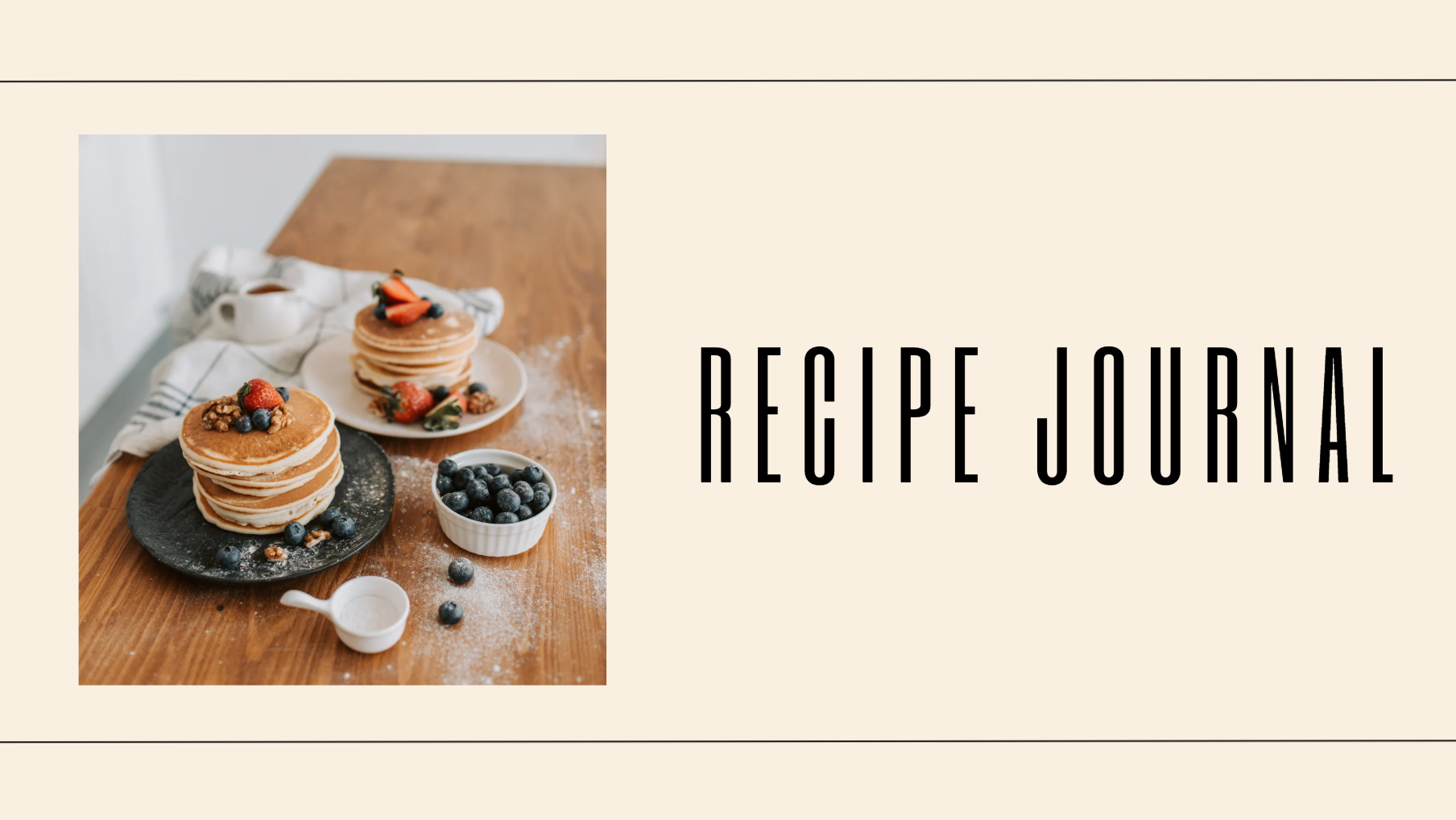
Pictures can also help. Adding a photo beside a recipe in your Recipe Journal reminds you how the dish should look when finished. Consistency matters most. The more often you write in your journal, the more valuable it becomes.
Organizing Recipes Inside
Without structure, a notebook fills quickly and becomes confusing. That is why organizing a journal early saves time later. Many people divide their Recipe Journal into simple food sections. These sections make it easier to find meals when planning dinner.
- Breakfast recipes
- Lunch ideas
- Dinner meals
- Desserts
- Drinks and sauces
Another useful idea is creating an index at the beginning of the journal. The index lists recipe names and page numbers so you can find them quickly. Some cooks also mark favorite dishes with a star. When the Recipe Journal grows large, those marks help locate trusted recipes in seconds.
Color tabs or sticky notes can also help separate sections. A well-organized Recipe Journal saves time when you need a quick meal idea. Meal planning becomes easier too. Instead of searching online every evening, you open your journal and pick a recipe you already enjoy.
Building Cooking Skills
Cooking improves with practice, and a Recipe Journal quietly supports that progress. Each entry shows what worked and what needs improvement. For example, if a soup tasted too salty, you can write that in the journal. The next time you cook it, you adjust the seasoning. This small habit leads to better results.
A Recipe Journal also helps cooks understand ingredient balance. Over time, patterns appear. You notice which spices work well together or how certain cooking times change flavor. Many cooks record experiments inside their journal. They test different herbs, sauces, or cooking methods. Even if a dish fails, the lesson remains valuable.
Writing these notes creates a personal cooking guide. Instead of repeating mistakes, the Recipe Journal shows the path toward better meals. Some people also track cooking goals. This habit encourages learning and keeps cooking exciting. The kitchen becomes a place of discovery rather than routine.
Saving Family Traditions in a Recipe Journal
Food connects people across generations. A Recipe Journal plays an important role in protecting those traditions. Many family recipes exist only in memory. A grandmother might cook by instinct rather than written steps. Recording those details in a journal ensures the recipe survive. Each member adds dishes that represent special memories.
Over time, the Recipe Journal becomes a storybook of family meals. It holds holiday dishes, celebration foods, and everyday comfort meals. Children often enjoy reading old recipes from a journal. Years later, those memories remain alive each time the recipe is cooked again.
Creative Ways to Personalize
A Recipe Journal does not need to look plain. Personal touches make it more enjoyable to use. Many cooks decorate pages with drawings or colored pens. This simple step turns a journal into a creative project.
Some people like adding sections such as:
- Weekly meal plans
- Grocery lists
- Cooking tips
- Kitchen shortcuts
- Seasonal recipes
Another idea is rating recipes. You might mark dishes with stars or short comments. Over time, the Recipe Journal reveals which meals deserve to stay in regular rotation. Seasonal sections also work well. A journal can include summer salads, winter soups, or festive desserts. Personal quotes about food or cooking can also appear between recipes.
Digital vs Notebook Recipe Journal
Some cooks prefer a traditional notebook, while others choose a digital recipe. Both options offer benefits. A notebook Recipe Journal feels personal and simple. You can write quickly while cooking and add notes anytime. Many people enjoy flipping through handwritten pages. A digital recipe offers different advantages.
In a Recipe Journal both styles can include the same information:
- Ingredients
- Cooking instructions
- Preparation notes
- Taste reviews
- Personal adjustments
Conclusion
With patience, a Recipe Journal grows into something valuable. It becomes a trusted guide filled with personal cooking knowledge. After months or years, the journal reflects your taste preferences and cooking style. Instead of copying recipes from many sources, you rely on recipes that already work. Meal planning also becomes easier.
Opening a Recipe Journal provides instant ideas for breakfast, lunch, or dinner. Some people eventually share their journal with friends or family. It can even inspire a personal cookbook in the future. Maintaining the journal requires only a few minutes after each meal. Writing short notes keeps the journal clear and helpful.
Over time, the pages fill with successful dishes, helpful lessons, and memorable meals. A simple Recipe Journal turns everyday cooking into a thoughtful and organized process. In the end, cooking is not only about food. A journal captures all of those things in one place, making every recipe easier to repeat.